


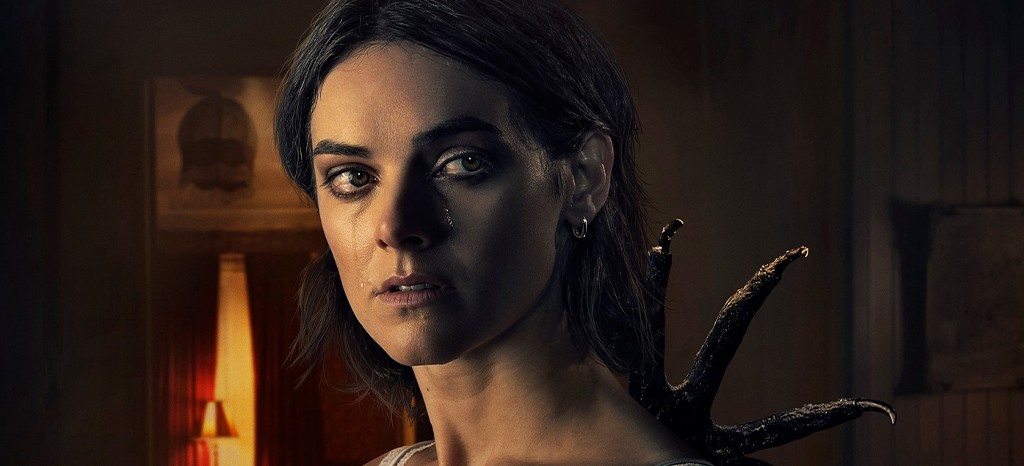
Australian psychological horror has a long tradition of turning inner turmoil into something terrifyingly external. Proclivitas, the debut feature from director Miley Tunnecliffe and producer Kate Separovich, sits squarely in that tradition while carving out a distinctly personal space of its own. Supanova was lucky enough to sit down with them and discuss the film before it hits cinemas across the country.
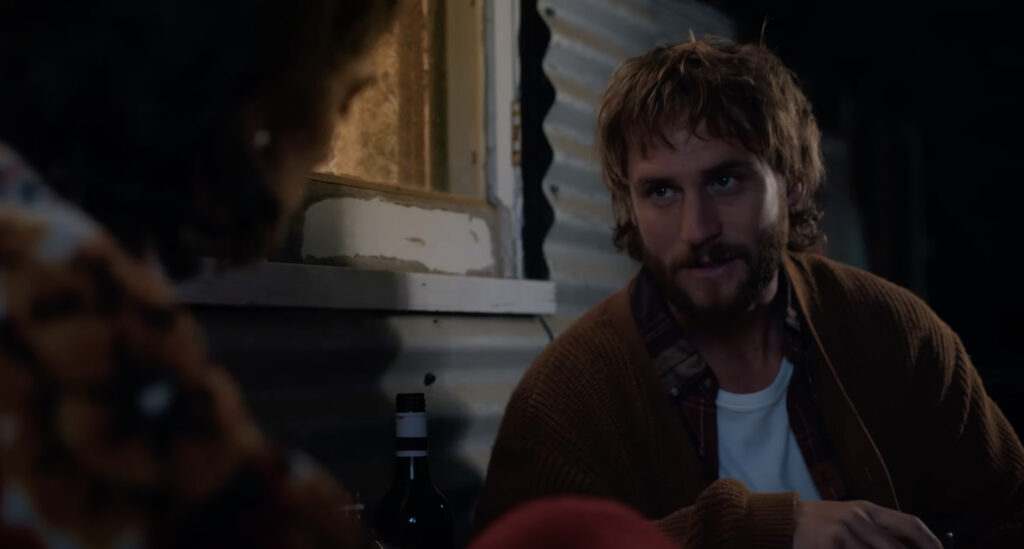
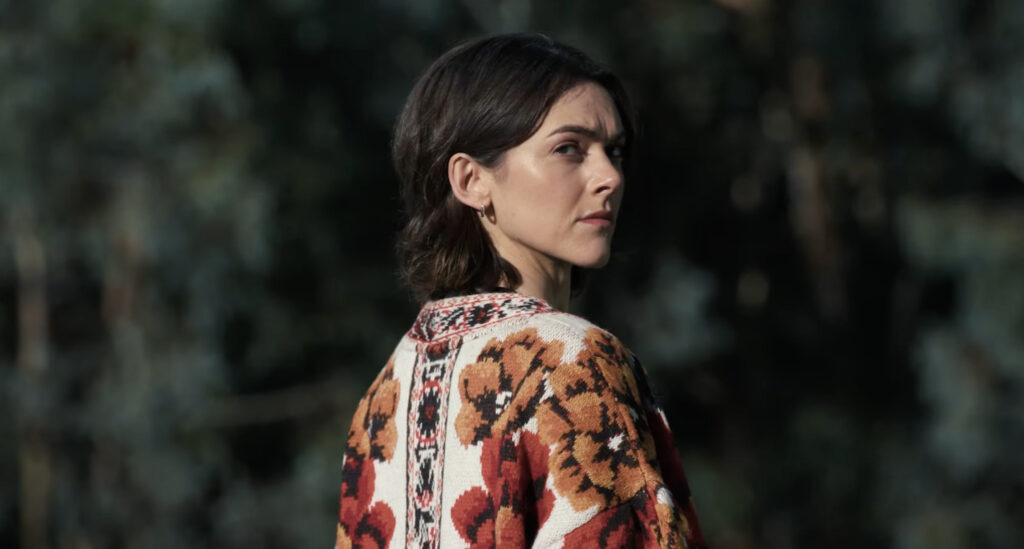
The Western Australian production follows Clare (Rose Riley), a woman forced to confront unresolved trauma when she returns home and reconnects with her high school sweetheart, Jerry (George Mason). But the presence haunting the house isn’t simply a monster to be defeated. Instead, the film explores the idea of ‘proclivitas’ – a Latin term describing an internal inclination toward destructive behaviour – and the way addiction, guilt, and trauma can manifest in deeply personal ways.
Before the conversation even reached the movie itself, it was clear we were speaking with people who truly love films and filmmaking. Behind Separovich during the Zoom call sat an impressive wall of DVDs and Blu-rays.
“I’m amassing more and more,” she says with a laugh. “I just had to put two new bookshelves in because I’ve got so much.”
For her, owning films outright still matters.
 “I love physically being able to watch a film. The number of films I’ve wanted to watch that I can’t find on a streaming service. It’s so frustrating sometimes.”
And if the streaming era ever collapses entirely, she has a practical use for them. She claims, “When the apocalypse happens, people will need to be entertained. I’ll be trading DVD hires for loaves of bread. That’s my argument for keeping them.”
Her passion for the industry has led Separovich to be outspoken online about the challenges facing Australian filmmakers, and that perspective has only sharpened during the process of releasing Proclivitas.
“That whole topic has really come up again during the process of releasing this film,” she says. “It’s exposing, on a granular level, the inequalities and structural issues in the system.”
For her, sharing those experiences publicly is about helping others navigate the industry.
“Ultimately, exhibitors have us all over a barrel. There are so many factors involved, but I thought, why hold onto this information if it can help other filmmakers? If you’re trying to make professional films with a budget and actually get paid to work on them, you need to understand the system you’re entering.”
Awareness, she says, remains one of the biggest hurdles.
“Australian films just have a massive awareness problem. People often don’t even know Australian films are in cinemas.”
While Proclivitas sits within the horror genre, Tunnecliffe sees the story through a more specific lens.
“With this story it felt very organic, because the love between them is completely enmeshed with the horror,” she explains. “As their feelings for each other return, it triggers the unsaid and unprocessed trauma between them.”
Rather than competing elements, the romantic and horrific strands grow together.
“Those elements belonged together. It felt natural for them to grow side by side throughout the story.”
Separovich had several projects pitched to her before committing to produce the film. What caught her attention was something deceptively simple. “There was something in Miley’s early pitch – it was basically one paragraph – and it mentioned the codependency in relationships and addiction,” she recalls. “At the time I was thinking, ‘ I’m so addicted to my phone.’ I recognised that element of addiction immediately.”
As development progressed, the theme deepened. Separovich goes on to say, “We realised addiction is often covering up something you don’t want to feel. Those ideas really spoke to me.” The choice surprised her, however. “Before this film I never imagined I’d make a horror movie, but out of the projects pitched to me, this story was the one that resonated most.”
For Tunnecliffe, one of the moments when the film truly came alive happened on the first day of shooting a bar scene between the central characters.
“I had a week of rehearsal with them where we built their backstory and connection,” she says. “We didn’t go scene by scene, we just focused on building trust.” Once the cameras rolled, something clicked. “I remember seeing the footage come through and thinking, ‘This is who these characters are now.’ They had it. I even turned to Kate and said, ‘Are you watching this?’”
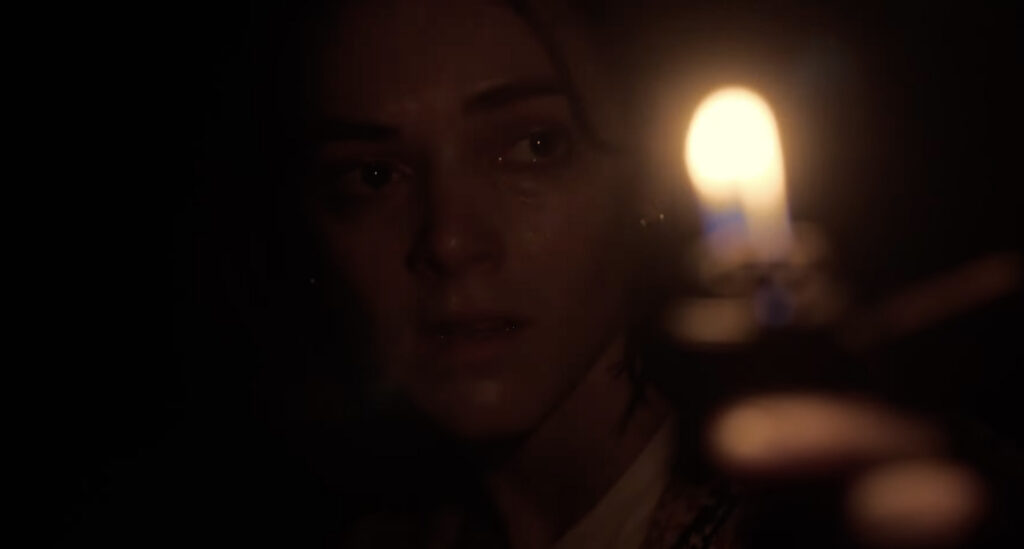
The film’s supernatural element was also carefully constructed. Rather than relying on traditional monster logic, the team built a set of rules grounded in the film’s psychological themes. “We actually had a full document outlining the monster’s rules,” Tunnecliffe says.
 The breakthrough came when the filmmakers realised the entity behaved much like addiction itself.
“Once we understood that, everything clicked. We did a lot of research with professionals about addiction and lived experiences. The monster grows and responds as a shadow version of Clare manifesting externally.”
One of the film’s most memorable moments features INXS’s Original Sin, a track that almost didn’t make it into the film.
“I told Miley the song had to be Australian,” Separovich explains. “She was initially pushing for an international track, but I said, ‘No. We’re making an Australian film.’”
Securing the rights required persistence. “Our music supervisor warned us they probably wouldn’t say yes and we wouldn’t be able to afford it. But we said, ‘Let’s ask anyway.’”
Eventually, the filmmakers found a way to make it work.
“It was more expensive than we planned, so I had to juggle the budget a bit, but we made it work. I think it adds so much value to the film.”
Like many independent productions, Proclivitas had to adapt creatively to the realities of a limited budget. One change involved a key location. Originally, Tunnecliffe had envisioned a dramatic lake setting.
“But Kate fought for the vision until it just became impossible,” she recalls. “She finally said, ‘We can’t move the production from the property.’ Instead, the team used a swimming pool location that ultimately opened new storytelling opportunities. “Once we had it, the art department transformed it and suddenly it became useful for other scenes as well.”
For Separovich, those kinds of limitations often spark creativity.
“Creativity often comes from restrictions,” she says. “When you’re limited by time or budget, it forces you to interrogate what’s actually important in a scene.”
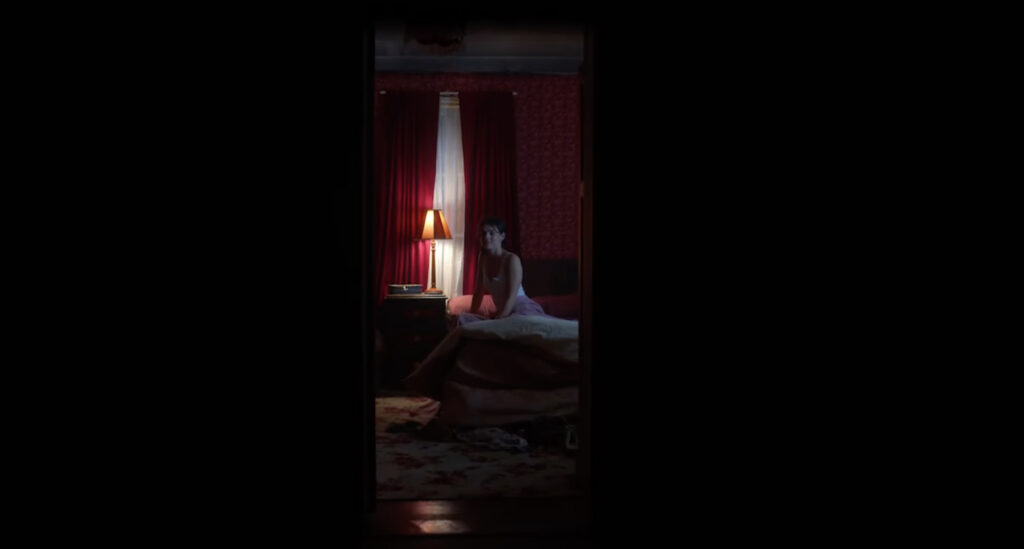 With resources limited, the filmmakers leaned heavily into character rather than spectacle. “Horror is very subjective,” Tunnecliffe says. “What scares one person won’t scare another.” Instead of relying on elaborate effects, the film focuses on emotional engagement. “If something touches people on a personal level, that’s when horror becomes truly effective.”
Separovich agrees.
“Working on a low budget means you don’t have massive stunt sequences or CGI set pieces,” she explains. “So we knew we had to engage the audience through the character’s journey.”
When Proclivitas finally premiered at SXSW Sydney, the experience was both exhilarating and nerve-racking.
“Seeing an audience watch your film for the first time is absolutely terrifying,” Separovich admits. “But it was also a sense of relief. There are people out there who are going to love this film.”
For Tunnecliffe, the festival also offered a sense of creative community.
“It was amazing to see how supportive the festival was of female-led Australian horror,” she says. “At the end of the day we’re all film nerds, we just want people to watch our films and discover other people’s films too.”
With Proclivitas, Tunnecliffe and Separovich have delivered a psychological horror film that treats its monster not simply as something to defeat, but as something far more personal – a reflection of the parts of ourselves we often try hardest to ignore.
Proclivitas scares its way into Australian cinemas on March 19